Wheeled Convertible Duffel
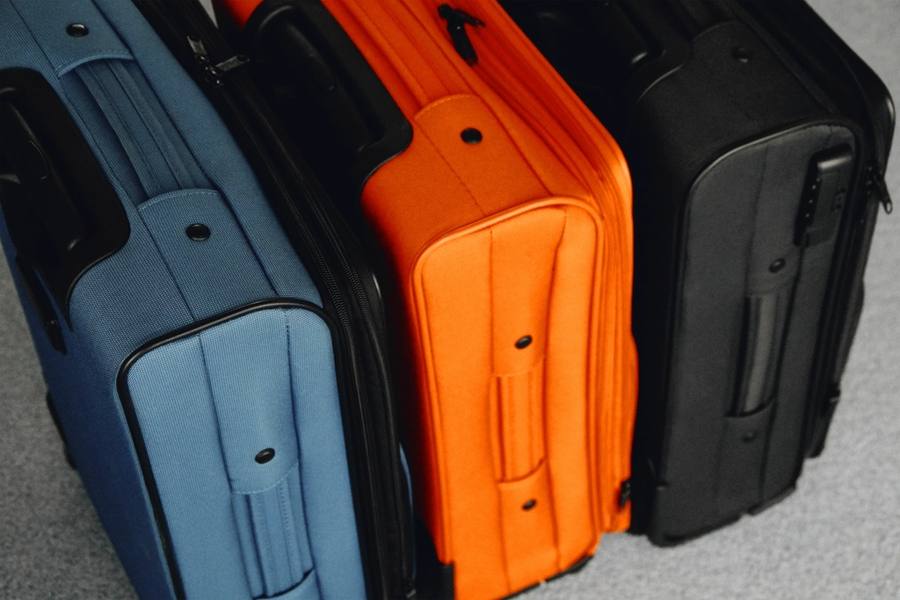
Representative image (stock photo); not the exact product.
Two Carry Modes For Two Situations
Wheels work on smooth floors and fail on stairs, cobbles, gravel and sand, and a wheeled case in an old town or a station with no lift is genuinely difficult.
Backpack straps handle all of those and are tiring over distance, and carrying a full bag through a long terminal is unpleasant.
A convertible bag covers both, which for a trip involving airports and also somewhere without smooth ground is the arrangement that actually works.
The Compromise Costs Weight
Wheels, a handle and a supporting frame add weight that a plain duffel does not carry, and straps add more.
A convertible bag is therefore heavier than either a pure duffel or a pure wheeled case of the same capacity.
On a weight-limited allowance that matters directly, and anybody who will only ever use one mode is better served by a bag designed for it.
Strap Comfort Is Usually Poor
Backpack straps on a wheeled bag are typically an afterthought, thin and without a hip belt, which for a heavy bag over distance is uncomfortable.
They work for a few hundred metres over cobbles and are not a substitute for a proper travel backpack.
Bags with a genuine harness and a hip belt exist and are heavier still, which is the trade at the other end.
Soft Duffels Swallow Awkward Items
A structured case has fixed dimensions, where a duffel flexes around bulky or awkwardly shaped items that would not fit a case.
That suits sports equipment, boots, and anything that does not pack flat, which is why duffels persist for activity travel.
It also means a duffel can be overpacked into a shape that no longer fits a size restriction, which cuts both ways.
Base protection is worth looking for, since a duffel dragged and set down on wet ground picks up dirt and water through the fabric base directly into the contents. A reinforced or coated base, or moulded feet holding the bag off the ground, addresses both and costs almost nothing in weight.
Wheels On Soft Bags
Wheel housings on a soft bag attach to fabric rather than a rigid shell, which makes that junction the usual failure point.
Large wheels handle rough ground considerably better than small inline ones, and small wheels on a heavy duffel jam on anything uneven.
A bag that can be dragged, carried and worn distributes wear across three modes rather than concentrating it on the wheels.
Opening style matters on a duffel as much as on any bag, and a full-length zip along the top opens the whole bag where a shorter opening means reaching into a dark cavity. U-shaped or clamshell openings on wheeled duffels are considerably more practical, since they let the bag be packed like a case rather than stuffed like a sack, which is the usual frustration with a plain duffel.
The Verdict
The right bag for a trip mixing airports with places wheels do not work, at the cost of weight and compromised straps.
It is heavier than either alternative, backpack straps are usually poor, and wheel mounts on fabric are the failure point.
Buy it for trips that genuinely need both. If you only ever use wheels, a proper case is lighter and better.
At a glance
Pros
- Covers both smooth terminals and rough ground
- Soft body swallows awkwardly shaped items
- Carrying options spread wear across three modes
- Suits sports equipment and boots
Cons
- Heavier than either a duffel or a case alone
- Backpack straps are usually thin and uncomfortable
- Wheel mounts on fabric are the failure point
- Can be overpacked beyond size restrictions
Frequently asked questions
Is a convertible bag worth it?
For a trip mixing airports with old towns, stairs or unpaved ground, yes. If you only ever roll it on smooth floors, a proper wheeled case is lighter and better, since the dual capability costs real weight.
Are the backpack straps usable?
For a few hundred metres over cobbles, yes. They are typically thin with no hip belt and are not a substitute for a travel backpack over any distance. Bags with a genuine harness exist and weigh more again.
What fails first?
The wheel housings, which attach to fabric rather than a rigid shell. Large wheels also handle rough ground far better than small inline ones, which jam on anything uneven under a heavy load.
Specifications
| Type | Wheeled convertible duffel |
| Modes | Wheeled, carried, worn |
| Best for | Trips mixing terminals with rough ground |
| Cost | Heavier than either alternative |
| Straps | Usually thin; not a travel backpack |
| Body | Flexes around awkward items |
| Wheels | Large handle rough ground; small jam |
| Failure point | Wheel mounts on fabric |
The bottom line
Right for trips that genuinely need both wheels and straps. If you only ever roll it, buy a proper case.
Check Price on Amazon